Contents:
- Law Firms located in Massachusetts
- HECM Counseling Agencies in Massachusetts
- HUD Counseling Agencies in Massachusetts
- NFMC Counseling Agencies in Massachusetts
- Credit Repair Companies in Massachusetts
- Massachusetts Foreclosure Help Map
- Massachusetts Foreclosure Laws
- Massachusetts Top Cities
- Mortage Rates in Massachusetts
Using Forbearance for Foreclosure Prevention in Massachusetts
Did you know if you are going through temporary financial hardship due to loss of job, or illness, you can stop foreclosure in Massachusetts by seeking forbearance benefits from your lender. Could it be a part of foreclosure help your lender might be offering? If you’ve fallen behind on your mortgage payments, you can ask your lender to temporarily suspend or reduce your monthly mortgage payments for a given period and avoid foreclosure in Massachusetts.
Hire a Foreclosure Attorney in Massachusetts to Explore the Best Options
What is the first question you need to decide if you’ve fallen behind on your mortgage? First of all, you need to decide whether you want to keep your home or give it up. Can losing your home to foreclosure make sense? Yes, it can make sense under certain circumstances. If you seek professional legal advice, a foreclosure lawyer in Massachusetts will explore the best option for you and suggest you some even better foreclosure alternatives like bankruptcy.
| Name | Photo | Address | City | State | Zip | Phone | Site | Details | Map |
|---|---|---|---|---|---|---|---|---|---|
| Glynn Law Offices |  |
49 Locust St | Falmouth | MA | 02540 | : (508) 548-8282 | http://glynnlawoffices.com | Details |  |
| Laraja And Kanaga, P.c. |  |
46 S Orleans Rd | Orleans | MA | 02653 | : (774) 237-7011 | http://www.capelaw.com | Details | |
| Lawson, Weitzen & Bankert, Llp |  |
Po Box 58 | Orleans | MA | 02653 | : (508) 255-3600 | http://www.lawson-weitzen.com | Details | |
| La Tanzi, Spaulding & Landreth, P.c. |  |
8 Cardinal Ln | Orleans | MA | 02653 | : (508) 255-2133 | http://www.latanzi.com | Details | |
| Ardito, Sweeney, Stusse, Robertson & Dupuy, P.c. |  |
25 Mid Tech Dr Ste C | West Yarmouth | MA | 02673 | : (508) 418-8581 | http://capecodlawyers.com | Details | |
| Lazan Glover & Puciloski Llp |  |
785 Main St | Great Barrington | MA | 01230 | : (413) 591-8230 | http://www.lazanlaw.com | Details | |
| Cohen Kinne Valicenti & Cook Llp |  |
28 North St | Pittsfield | MA | 01201 | : (413) 358-4804 | http://www.cohenkinne.com | Details | |
| Law Offices Of Attorney Wilfred C. Driscoll, Jr. |  |
209 Bedford St Ste 201 | Fall River | MA | 02720 | : (508) 974-4991 | http://www.wcdriscolllaw.com | Details | |
| Stephanie Sousa, Attorney At Law |  |
Po Box 345 | South Easton | MA | 02375 | : (508) 622-5459 | http://www.stephaniesousalaw.com | Details | |
| Percy Law Group, P.c. |  |
4 Court Street, | Taunton | MA | 02780 | : (508) 738-2075 | http://www.ptklaw.com | Details | |
| Robert G. Treano P.c. |  |
4 Court St Ste 103 | Taunton | MA | 02780 | : (508) 386-9306 | http://www.robertgtreanolaw.com | Details | |
| Reynolds, Rappaport, Kaplan & Hackney, Llc |  |
106 Cooke St | Edgartown | MA | 02539 | : (508) 627-3711 | http://www.rrklaw.net | Details | |
| Feinman Law Offices |  |
The Northmark Bank Building, 69 Park Street, | Andover | MA | 01810 | : (978) 296-5193 | http://www.feinmanlaw.com | Details | |
| Letellier Law Offices, Pc |  |
Agawam Crossing, 200 Silver Street, Suite 212, | Agawam | MA | 01001 | : (413) 306-3767 | http://letellierlaw.com | Details | |
| Dennis E. Tully, Attorney At Law |  |
200 North Main Street, | East Longmeadow | MA | 01028 | : (413) 561-2488 | http://dtully.net | Details | |
| Victor A. Denaro & Associates | |
945 Concord St | Framingham | MA | 01701 | : (508) 834-7035 | http://www.denarolaw.com | Details | |
| Law Offices Of Alan M. Cohen, Llc |  |
550 Worcester Road, | Framingham | MA | 01702 | : (508) 202-7493 | http://www.collections-law.com | Details | |
| Mark L. Murphy |  |
5 Militia Dr Ste 1 | Lexington | MA | 02421 | : (339) 970-3193 | http://www.marklmurphy.com | Details | |
| James A. Kobe, P.c. |  |
The Chatham Center, 29 Crafts Street, Suite 360, | Newton | MA | 02458 | : (781) 489-3725 | http://kobelaw.com | Details | |
| The Law Office Of Wyckoff Nissenbaum | 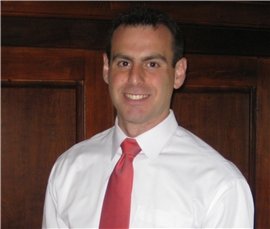 |
775 Broadway | Somerville | MA | 02144 | : (617) 466-6620 | http://www.somervillelawoffice.com | Details | |
Should You Refinance Your Mortgage to Stop Foreclosure?
Did you know what alternatives you have when you are facing foreclosure? Should you short sale or should you apply for loan modification? Should you refinance your mortgage or should you go for a deed-in-lieu of foreclosure? Should you be concerned more about credit repair or should you give priority to things like negative equity? You’ll need reliable counseling to choose the best options.
HECM Counseling Agencies in Massachusetts
Home Equity Conversion Mortgage (HECM) Counseling for reverse mortgage.
| Agency Name | Address | Phone | Website | Map | |
|---|---|---|---|---|---|
| AMERICAN CONSUMER CREDIT COUNSELING |
130 RUMFORD AVE STE 202
AUBURNDALE, MA 2466
|
http://www.consumercredit.com |  |
||
| CAMBRIDGE CREDIT COUNSELING CORPORATION |
67 HUNT STREET
AGAWAM, MA 1001
|
http://www.cambridge-credit.org | |
||
| COMMUNITY SERVICE NETWORK, INC. |
136 ELM STREET
STONEHAM, MA 2180
|
http://www.csninc.org | |
||
| HOMEOWNER OPTIONS FOR MASSACHUSETTS ELDERS |
87 HALE STREET
LOWELL, MA 1851
|
http://www.elderhomeowners.org | |
||
| HOUSING ASSISTANCE CORP. |
460 W MAIN ST
HYANNIS, MA 2601
|
http://www.haconcapecod.org | |
HUD Housing Counseling Agencies located in Massachusetts
Housing and Urban Development Counseling for foreclosure avoidance.
| Agency Name | Address | Phone / Toll-Free / Fax | Website | Languages | Map |
|---|---|---|---|---|---|
| CAMBRIDGE CREDIT COUNSELING CORPORATION |
67 Hunt Street
AGAWAM, MA 1001
|
http://www.cambridge-credit.org |
English Italian Polish Spanish
|
 |
|
| AMERICAN CONSUMER CREDIT COUNSELING |
130 Rumford Ave Ste 202
Auburndale, MA 2466
|
http://www.consumercredit.com |
English
|
|
|
| ACTION FOR BOSTON COMMUNITY DEVELOPMENT, INC. |
178 Tremont St
Boston, MA 2111
|
http://www.bostonabcd.org |
Creole English Other Spanish
|
|
|
| CITIZENS' HOUSING AND PLANNING ASSOCIATION, INC. |
18 Tremont Street,
Suite 401 BOSTON, MA 2108
|
http://www.chapa.org |
English
|
|
|
| CLEARPOINT CREDIT COUNSELING SOLUTIONS |
225 Franklin St
26TH FLOOR - - Boston, MA 2110
|
http://www.clearpointccs.org |
English Other
|
|
NFMC grantees through NeighborWorks America located in Massachusetts
National Foreclosure Mitigation Counseling for foreclosure avoidance.
| Agency Name | Address | Phone | Website | Languages | Map | |
|---|---|---|---|---|---|---|
| Cambridge Credit Counseling Corporation |
67 Hunt Street
Agawam, MA 1001
|
English
|
 |
|||
| MMI - Boston |
31 Milk Street, Ste. 515
Boston, MA 2109
|
http://www.moneymanagement.org |
English
|
|
||
| NID-HCA |
1509 Blue Hill Avenue
Boston, MA 2126
|
http://www.nidonline.org |
English
|
|
||
| Neighborhood Assistance Corporation of America (NACA) |
3593 Washington Street
Boston, MA 2130
|
http://www.naca.com |
English
|
|
||
| Springboard Non Profit Consumer Credit Management, Inc. |
15 New England Ste. 1026
Burlington, MA 1803
|
http://www.homeownership.org |
English
|
|
Credit Repair Companies in Massachusetts
| Agency Name | Address | Phone | Website | Map |
|---|---|---|---|---|
| Credit Repair |
1627 Cambridge St
Cambridge, MA 2138
|
 |
||
| Cambridge Counseling Service |
67 Hunt St, Ste 305
Agawam, MA 1001
|
http://www.cambridge-credit.org | |
|
| Debt Relief |
210 Worthington St
Springfield, MA 1103
|
|
||
| Careone Credit Services |
Serving Nationwide
Springfield, MA 1103
|
http://www.getfelix.com/p/superpages/careone-credit-springfield-massachusetts.html | |
|
| Consumer Credit Counseling |
295 Worthington St
Springfield, MA 1103
|
http://www.cccsintl.org | |
Other Resources to Help you Avoid Foreclosure in Massachusetts
Massachusetts Foreclosure Help Map
Massachusetts Foreclosure Laws
| Judicial Foreclosure Available: | Yes |
|---|---|
| Non-Judicial Foreclosure Available: | Yes |
| Primary Security Instrument: | Deed of Trust, Mortgage |
| Timeline: | Typically 90 days |
| Right of Redemption: | No |
| Deficiency Judgments Allowed: | No |
Massachusetts Top Cities
Mortage Rates in Massachusetts
| Type | Rate | Last Week | Change |
|---|---|---|---|
| 30 year fixed 30 yr fixed | 3.98% | -0.14 | 3.84% |
| 15 year fixed 15 yr fixed | 3.16% | -0.02 | 3.14% |
| 5/1 ARM (Adjustable-Rate Mortgage) 5/1 ARM | 3.54% | 0 | 3.54% |
| 30 year fixed mortgage refinance 30 yr fixed mtg refi | 3.86% | -0.02 | 3.84% |
| 15 year fixed mortgage refinance 15 yr fixed mtg refi | 3.16% | -0.02 | 3.14% |
| 7/1 ARM (Adjustable-Rate Mortgage) refinance 7/1 ARM refi | 3.65% | -0.02 | 3.63% |
| 15 year jumbo fixed mortgage refinance 15 yr jumbo fixed mtg refi | 3.67% | 0.01 | 3.68% |
| Last updated: 12/18/2017 | |||
Resource Center
- How to Keep Your Home by Avoiding Foreclosure
- Getting Help With Foreclosure
- Helping Your Family
- How to Avoid Foreclosures
- The Best Ways to Prevent Foreclosures
- Understand Terms Used in Foreclosures
- Ways Stop Foreclosures
- Working With Your Lender to Stop Foreclosure
- Debt Consolidation
- Home Loans
- Foreclosures
- Refinance
- Bankruptcy
- Foreclosure Help
- Short Sale Help
- Loan Modification Help
- Foreclosure Law
- Loss Mitigation Training
- Mortgage Rates
- Use a Loan Modification to Stop Foreclosure
- Difference between Fixed and an Adjustable Rate Mortgage
- Prevent Foreclosure with a loan modification
- How can I buy my home back?
- Are you a victim of foreclosure scams?
- Can I Rent My Property If I am in Foreclosure?
- Where to Report Foreclosure Fraud
- Common Foreclosure Scams to Avoid
- If I Can't Refinance During a Foreclosure, What Can I Do?
- Do I get money back if my Foreclosure home sells for more than what's owed?